Economics affects our daily life — from the price of rice in Patna markets to why petrol costs more or less. But what exactly is economics? Many people think it's just about money or stock markets, but it's much bigger and simpler.
Let's break it down step by step.
What is Economics? (Simple Definition)
Economics is the social science that studies how people, businesses, governments, and societies make choices about scarce resources to satisfy unlimited wants and needs.
Key idea: Resources (like money, time, land, labour, oil) are limited, but our wants (food, phones, education, travel) are unlimited. So we have to make choices — that's economics!
Famous simple definition: "Economics is the study of human behaviour as a relationship between ends and scarce means which have alternative uses." (Lionel Robbins)
In everyday words: Economics explains why things cost what they do, how jobs are created, why inflation happens, and how countries grow rich or face problems.
:max_bytes(150000):strip_icc()/economy.asp-ADD-SOURCE-9f40b23c92a743cc9c08fa5d17043fe2.jpg)
(This image shows the basic cycle of economy: production, consumption, and exchange of resources — perfect visual for understanding the big picture.)
Main Branches of Economics
Economics has two main parts:
- Microeconomics — Studies small-scale decisions:
- How individuals or families decide what to buy.
- How a shop in Patna sets prices for vegetables.
- How one company competes with others.
- Macroeconomics — Looks at the big picture for the whole country or world:
- Inflation, unemployment, GDP growth.
- Why India's economy is growing fast.
- Government policies like budget or RBI interest rates.
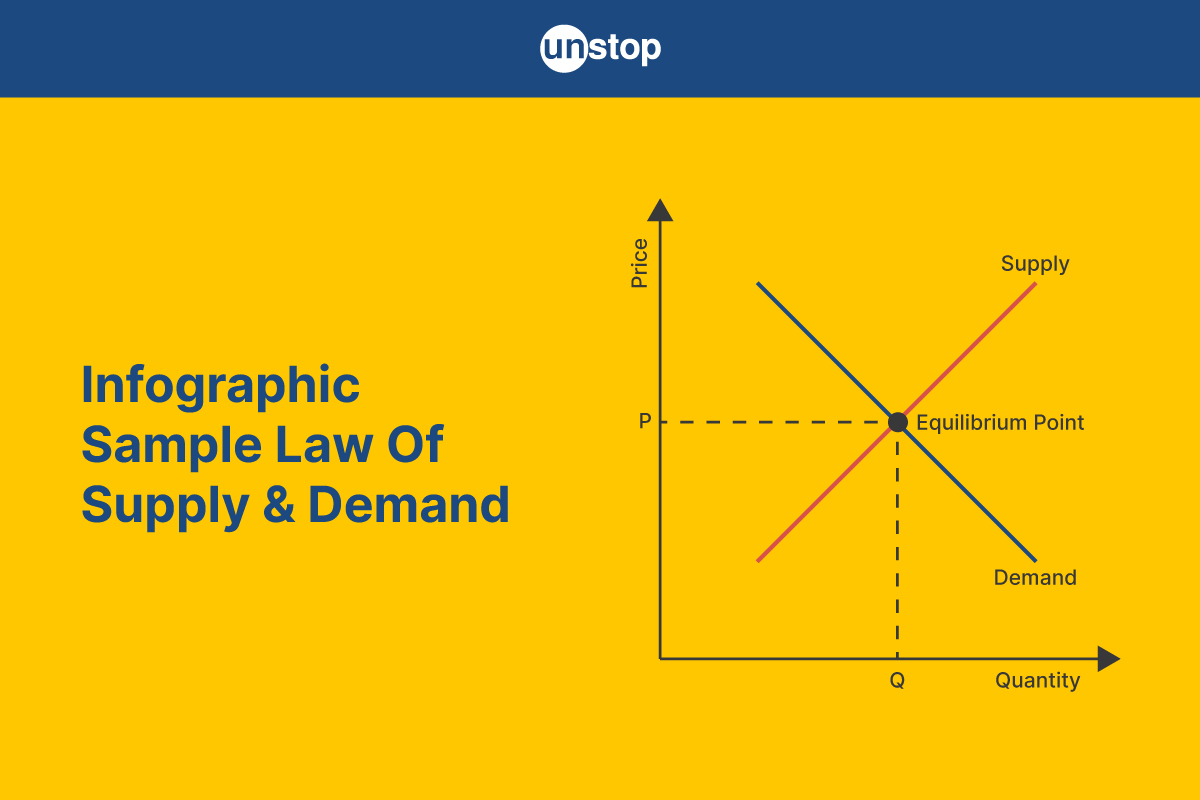
(This classic graph shows the Law of Supply and Demand — the heart of economics. When demand rises or supply falls, prices go up, and vice versa.)
Key Concepts in Economics
- Scarcity — Not enough resources for everything we want.
- Opportunity Cost — What you give up when you choose one thing (e.g., spending money on a phone means you can't buy new clothes).
- Supply and Demand — Prices are decided by how much people want (demand) vs how much is available (supply).
- Circular Flow of Income — Money flows between households (people) and firms (businesses): People work → get salary → spend on goods → businesses earn → pay salaries again.
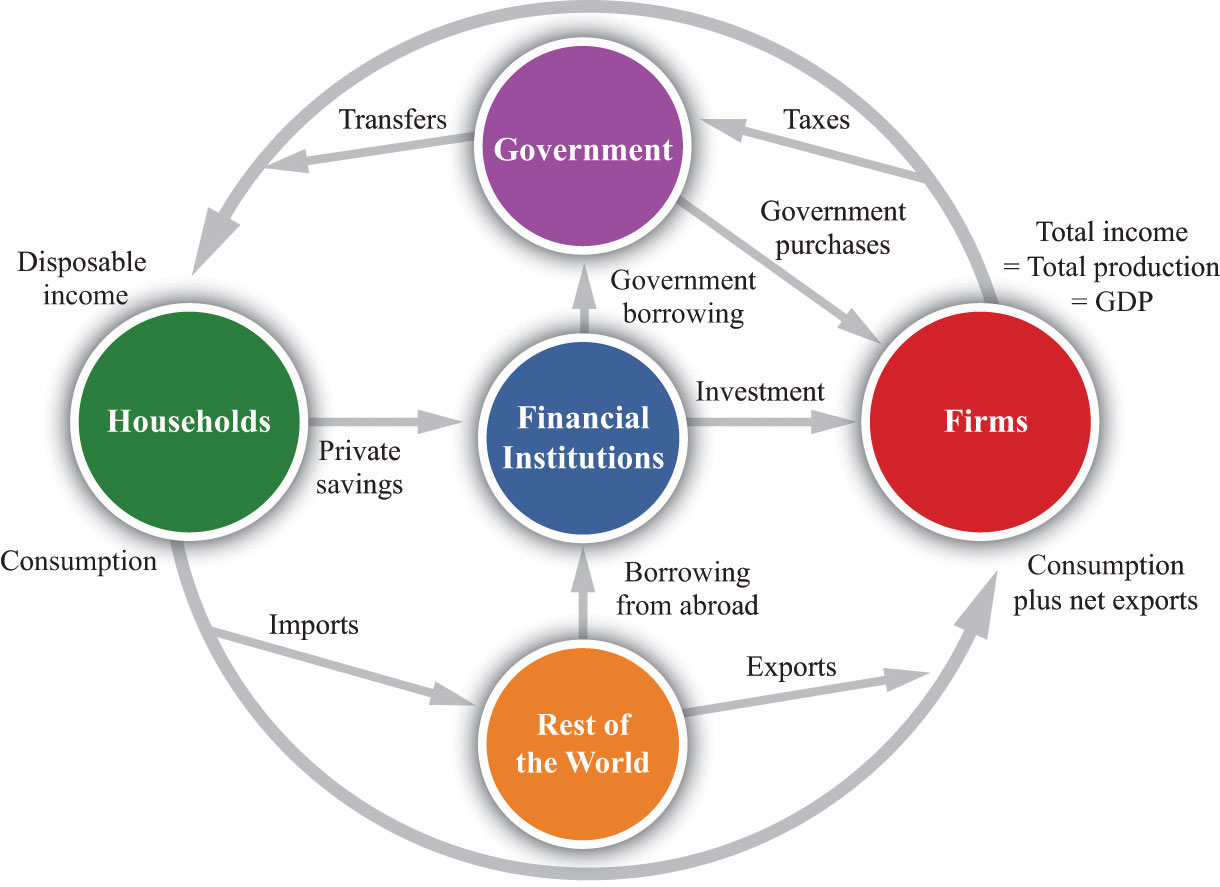
(This detailed circular flow diagram shows how households, firms, government, and rest of the world exchange money, goods, taxes, and resources — very useful for understanding how an economy works.)
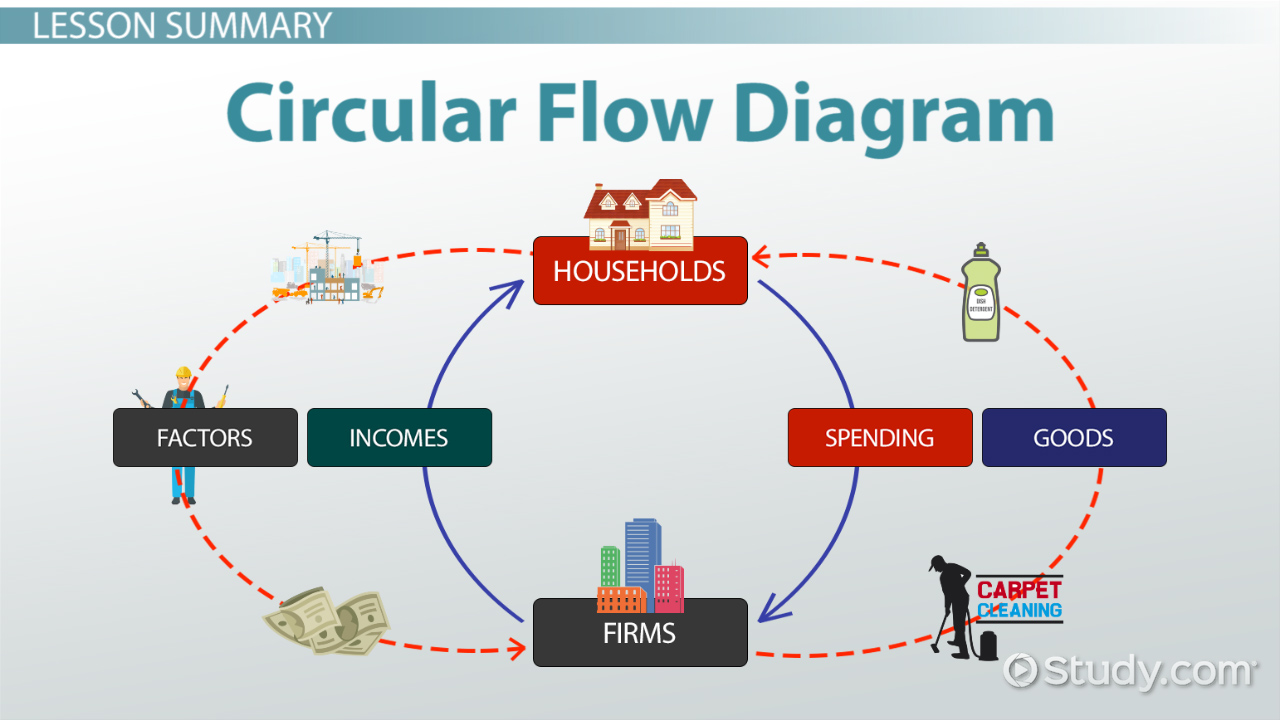
(Another clear circular flow model with households and firms at the centre — arrows show income, spending, goods, and factors of production.)
Real-Life Examples in India
- Why onion prices rise in Patna: Low supply (bad crop) + high demand = higher prices (supply & demand).
- Government free ration scheme: Helps poor families with scarce food resources.
- India's GDP growth: Shows how the whole economy is producing more goods/services.
- Unemployment: Too many people looking for jobs but few available (macro issue).
Why Learn Economics?
It helps you:
- Make better personal decisions (budgeting, saving).
- Understand news (inflation, budget, elections).
- Prepare for jobs in banking, business, government, or teaching.
Conclusion
Economics is not just theory — it's about real choices in a world of limited resources. Whether you're a student, shop owner, or job seeker in Patna, understanding basics like scarcity, supply-demand, and circular flow can change how you see the world.
Want more? Comment below — next post could be "What is GDP?" "Supply and Demand Explained" or "Indian Economy Basics".
(Keep comments on for engagement!)
Add labels: economics, what is economics, economy definition, supply demand, microeconomics, macroeconomics, circular flow, beginner guide.



0 Comments